Unfamous Places recommends
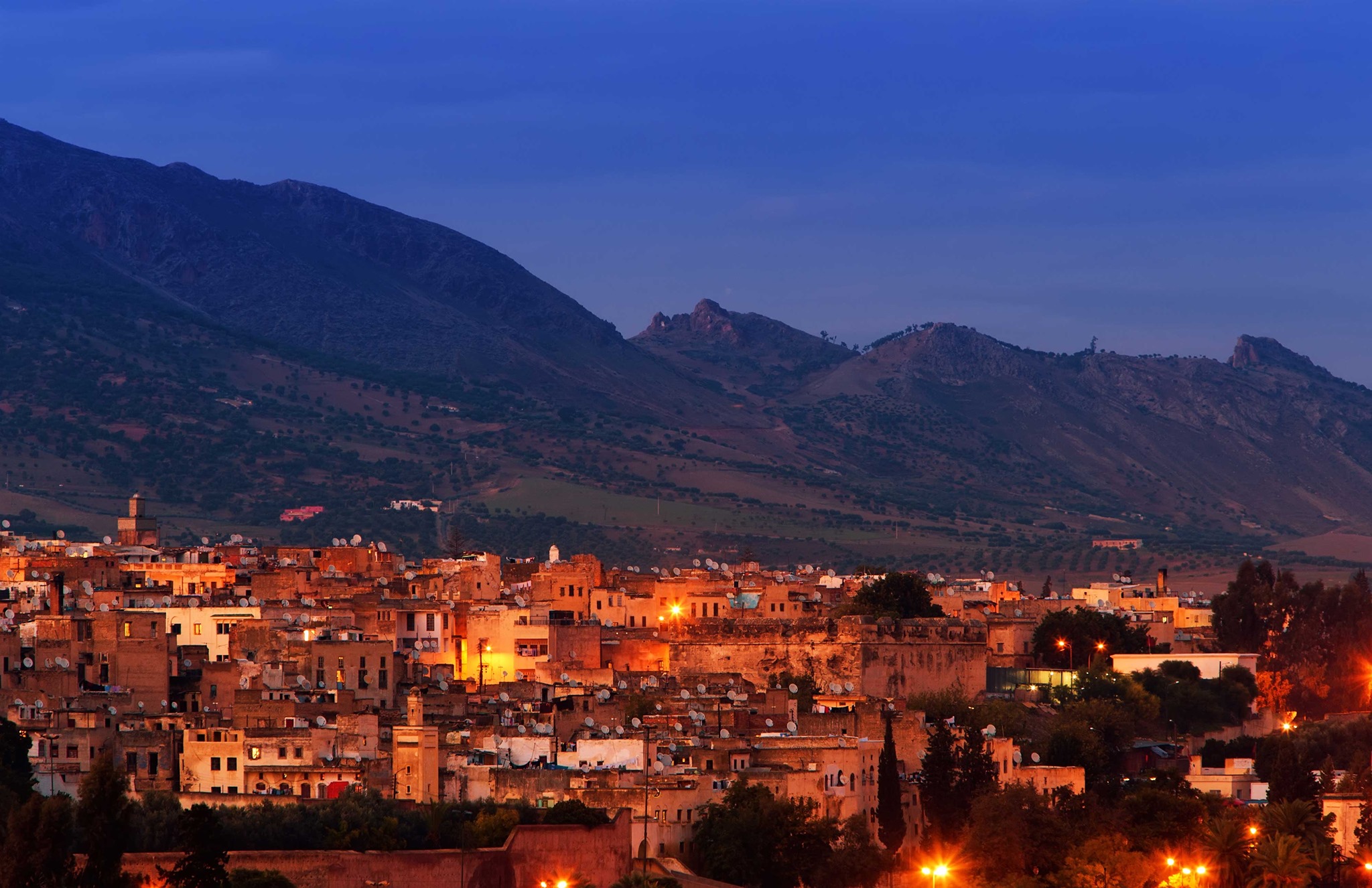
The medina of Fez has been continuously inhabited for 1,200 years. The tanneries are unchanged since the 11th century. The university has been teaching since 859 AD. Enter through the Blue Gate and let yourself get lost.
Fez el-Bali was founded in 789 AD and has never been substantially rebuilt or modernised. The street plan is unchanged. The souks are in the same locations. The craftsmen work in the same workshops using the same tools. Walking through the medina is not a heritage experience — it is simply life continuing as it has for twelve centuries.
Al Quaraouiyine was founded in 859 AD — older than Oxford, older than Bologna, older than any European institution of higher learning. It is still operating. Non-Muslims cannot enter, but the awareness of what lies inside changes the character of every surrounding street.
The Chouara Tannery is the largest and oldest in the city. Hides are still soaked in the same concoction of cow urine, pigeon dung, and quicklime. The dyes are still natural. The process is still entirely manual. Viewed from the leather shop balconies above, the honeycomb vats are one of the most extraordinary sights in Africa. Bring the mint.
Fez is the culinary capital of Morocco. Chicken pastilla — sweet, savoury, layered in pastry, dusted with icing sugar — was invented here. The spice market in the medina supplies kitchens across the country. Eating well in Fez is not an effort. It is unavoidable.
March to May. Mild temperatures, the Festival of World Sacred Music in May. The best months to visit.
Very hot — 40°C in the medina is common. Be in the streets by 7am and retreat to your riad courtyard by noon.
September to November. Warm, clear, far quieter than spring. Extraordinary light on limestone in October.
Cool and quiet. Riads reduce rates significantly. Christmas in the medina has an atmosphere unlike anywhere in Europe.
Ryanair, easyJet, and Royal Air Maroc fly direct to Fez-Saïs Airport (FEZ) from London, Manchester, and Birmingham. Taxis from the airport to the medina take 20 minutes.
ONCF intercity trains run regularly from Casablanca Voyageurs to Fez. Comfortable and reliable. CTM coaches are a cheaper alternative.
Drive via Azrou through the Middle Atlas — cedar forests, Barbary macaques, and mountain scenery that justifies the route entirely.
No motor vehicles can navigate the narrow streets of Fez el-Bali. Everything inside the medina is on foot. Petit taxis cover routes to Ville Nouvelle — always insist on the meter.
The forgotten imperial city — Moulay Ismâ’îl’s 17th-century capital with monumental gates on a scale that makes Marrakech look modest. Far fewer tourists than Fez.
The most complete Roman ruins in North Africa — mosaics, triumphal arches, and colonnaded streets on a windswept hill. Usually combined with Meknes in a day trip.
A surreal Swiss-chalet town built by the French in the Middle Atlas mountains. Cedar forests, Barbary macaques, skiing in winter. The contrast with Fez is the point.
Every wall, staircase, and doorway painted in shades of blue and white. Worth a night in the medina after the day visitors leave.
Morocco's holiest town, draped across twin hills above Volubilis. Still deeply devout, unhurried, and almost entirely unvisited by tourists.
Morocco's calm, manageable capital — a UNESCO medina without the sensory overload of Fez, a Kasbah overlooking the Atlantic.