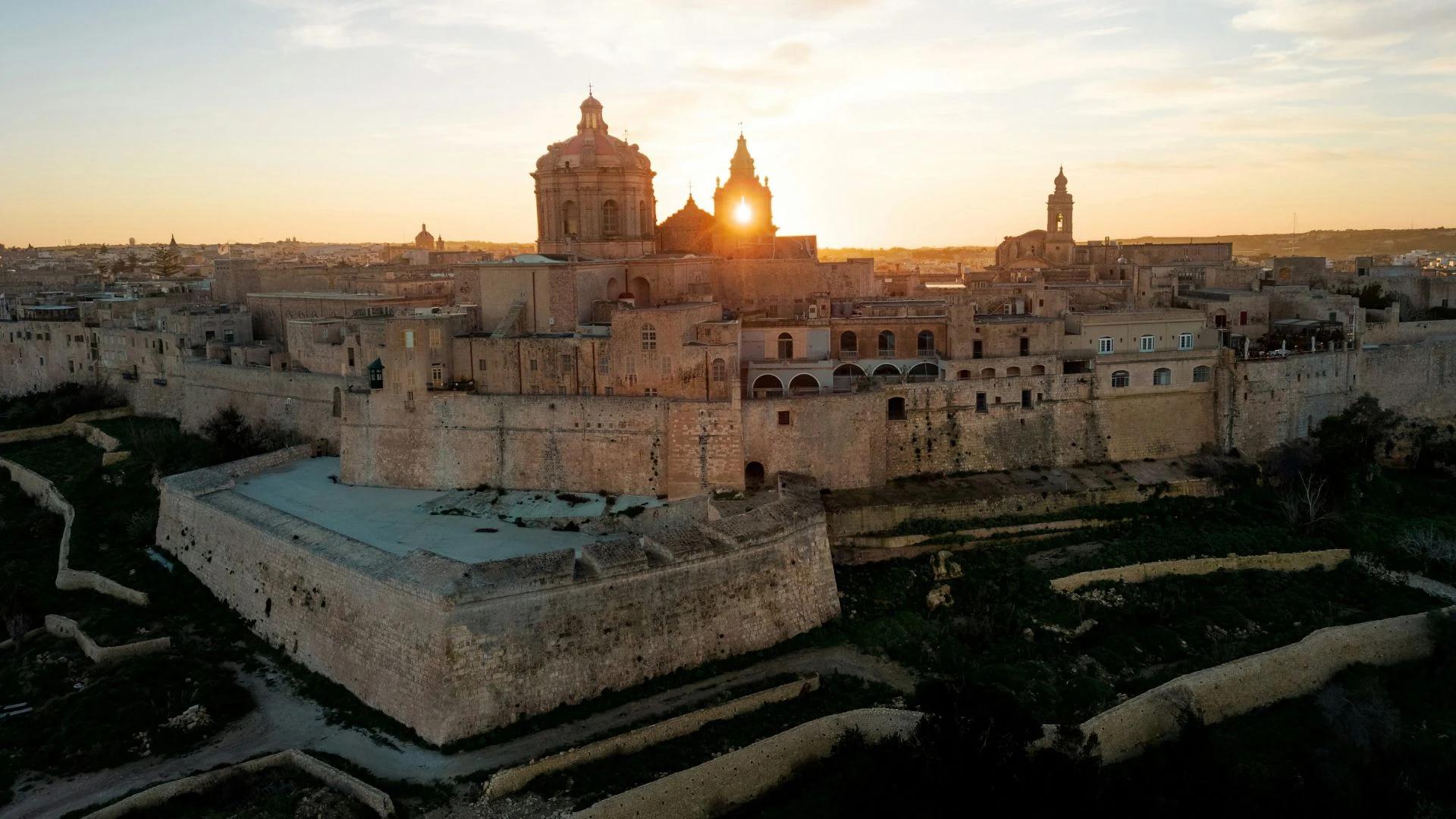
Things to do
Mdina's attractions are all within its walls, and all within walking distance of each other. The city rewards slow exploration — an hour in the Cathedral, an afternoon at Palazzo Falson, an evening on the bastion walls as the light changes. There is no rushing here.
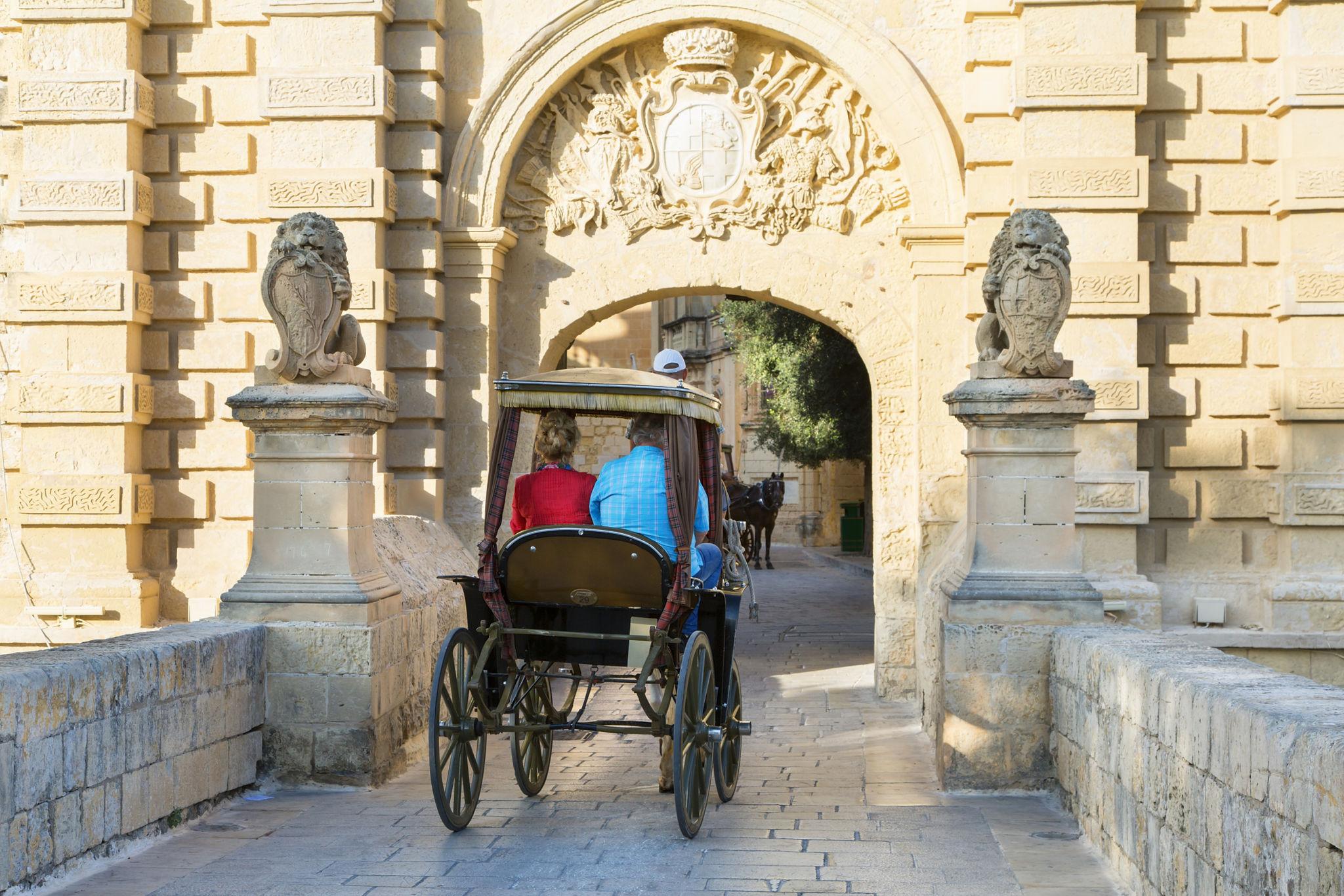
A traditional Maltese horse-drawn carriage with roots in the mid-19th century. The coachmen waiting at Mdina gate come from families who have lived here for generations — they know the stories the guide books don't have. Book one for dawn, before the day visitors arrive, and the city is entirely yours.
More about Mdina →Built on the site where Saint Paul healed the Roman governor's father after being shipwrecked on Malta. The floor is laid with marble tombstones of grandmasters, knights, and clergy. The paintings are by Mattia Preti, the Baroque artist appointed Knight of the Order of Saint John. The Cathedral Museum next door holds Baroque music manuscripts of serious importance.
Cathedral information →A medieval townhouse that was once home to Maltese nobility, now housing 45 collections of antiquities — jewellery, paintings, arms, and Oriental rugs accumulated over centuries. The real attraction is the building itself: a chance to move through a genuine Mdina home at the pace it deserves.
Museum information →A narrow staircase descends to dimly lit underground passageways covering Malta's history of punishment and incarceration from Byzantine times through to British rule. Darker than the guide books suggest, and more historically interesting than the theatrical billing implies. Located at the entrance gate.
More information →A small piazza at the back of the city with panoramic views across the entire Maltese plain to the sea. In the hour before sunset, the limestone turns amber and the light is extraordinary. Fontanella Tea Gardens sits directly on the bastion walls — the cakes are world-famous among people who've been here, unknown to those who haven't.
Best September to May — summer heat makes midday uncomfortable
Lamplight on limestone in absolute silence. By 9pm the day visitors are long gone and the city belongs to its 300 residents and whoever is staying nearby. The narrow alleys, the closed palaces, the occasional cat — it is one of the most atmospheric walks in the Mediterranean. No app required. Just walk.